Blended Paediatric First Aid
This blended 2 day (6 hours e-learning, 6 hours face to face practical day), FAIB accredited paediatric first aid course is designed for anyone responsible for the care of infants and children. It is fully EYFS and OFSTED compliant.
Course Overview
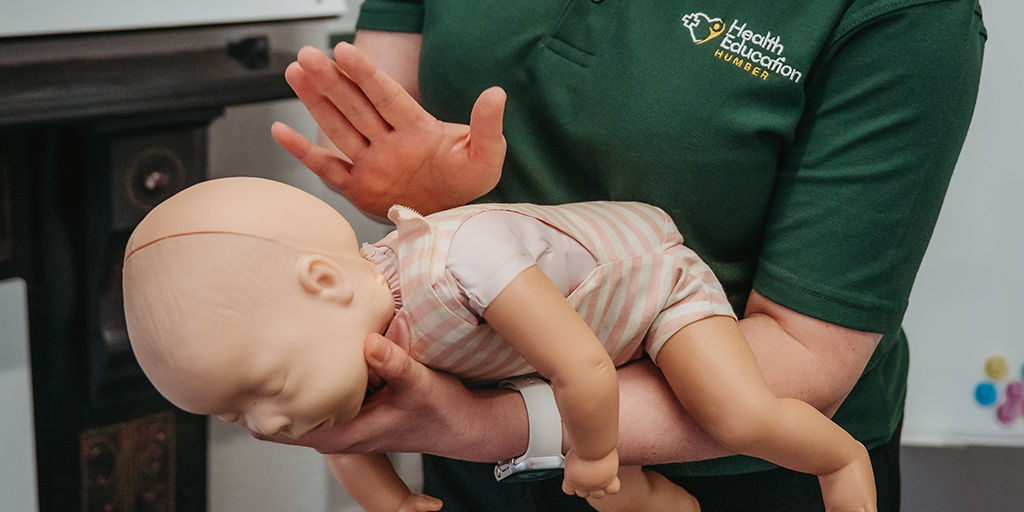
This blended two day, FAIB accredited paediatric first aid course is designed for anyone responsible for the care of infants and children. It provides clear, practical guidance on how to respond if a baby or child becomes ill or injured. The course covers CPR for infants and children, choking, serious bleeding, seizures, burns, allergic reactions, and managing common childhood emergencies. Teaching is hands on and scenario based, giving staff the confidence to act quickly and safely in real situations.
What You'll Learn
- Learners will be able to explain the role and responsibilities of a paediatric first aider, including the aims of first aid, the importance of consent, safe use of a first aid kit, and preventing cross-infection.
- Learners will be able to assess an emergency situation involving a child or infant, including recognising early signs of serious illness, prioritising care, calling for help, and carrying out a primary survey using the DR ABCDE approach.
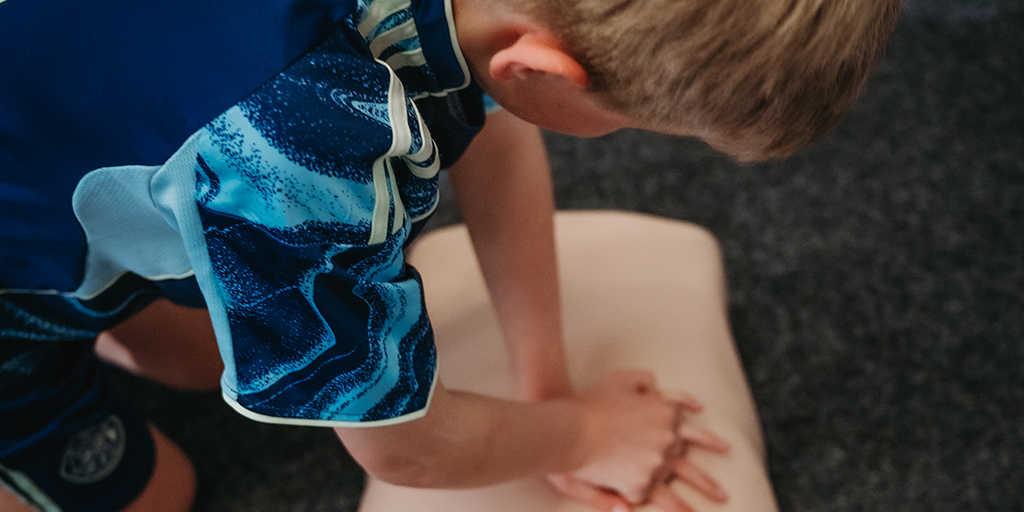
- Learners will be able to provide first aid to a paediatric casualty who is unresponsive and not breathing normally, including performing CPR, using an AED safely, and knowing when to stop resuscitation.
- Learners will be able to provide first aid to a paediatric casualty who is unresponsive but breathing normally, including carrying out a secondary survey, using the recovery position for infants and children, and monitoring breathing.
- Learners will be able to recognise and respond to choking in infants and children, including identifying a blocked airway and demonstrating the correct first aid response.
- Learners will be able to recognise and manage seizures in paediatric casualties, including identifying signs and providing appropriate care.
- Learners will be able to manage bleeding in paediatric casualties, including identifying different types of bleeding, treating life-threatening bleeding, and providing care for a range of injuries such as wounds, nosebleeds and minor cuts.
- Learners will be able to recognise and treat hypovolaemic shock in paediatric casualties, including identifying the signs and providing appropriate first aid.
- Learners will be able to recognise and manage common medical emergencies in children, including epilepsy, asthma and diabetic incidents.
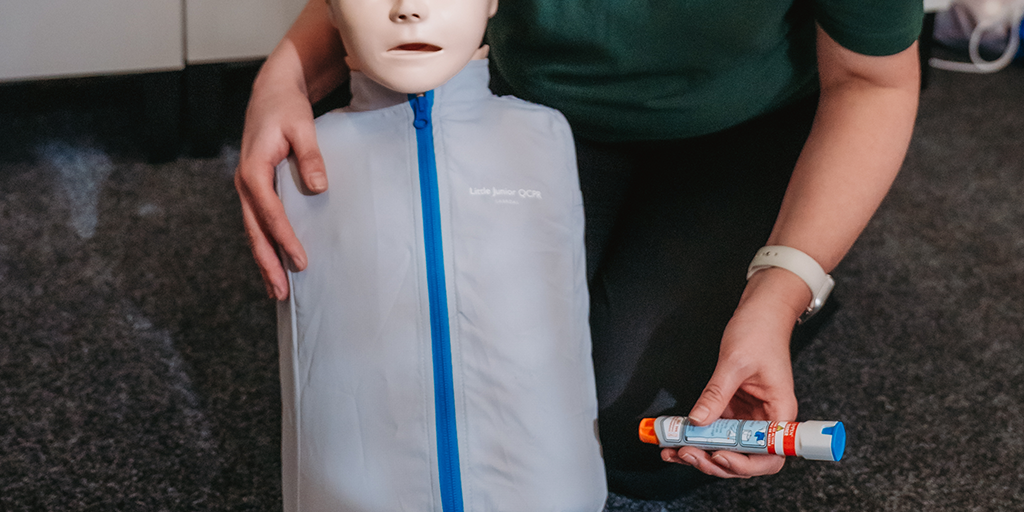
- Learners will be able to recognise and treat allergic reactions and anaphylaxis, including the safe use of an adrenaline auto-injector.
- Learners will be able to recognise and manage injuries to bones and soft tissue, including fractures, dislocations and strains.
- Learners will be able to recognise and manage head, neck and spinal injuries safely.
- Learners will be able to recognise and respond to foreign objects in the ear, nose or other openings.
- Learners will be able to recognise and treat eye injuries.
- Learners will be able to recognise and manage suspected poisoning, including understanding routes of exposure and appropriate first aid actions.
- Learners will be able to recognise and treat bites and stings in paediatric casualties.
- Learners will be able to recognise and treat burns and scalds, including chemical and electrical injuries.
- Learners will be able to recognise and manage incidents involving electrical shock safely.
- Learners will be able to recognise and treat conditions caused by extreme heat or cold, including heat stroke, heat exhaustion and hypothermia.
- Learners will be able to recognise and respond to serious childhood illnesses, including meningitis, sepsis and croup, and provide care for an unwell child.
- Learners will be able to explain the importance of accurate incident recording and complete an incident report correct
Who Is This Course For?
- Schools
- Early years settings
- Nurseries
- Childminders
- Youth workers
Entry Requirements
Please note that prior to attending the 1 day Face to Face element of this course, all required e-learning must be completed. Failure to complete e-learning will result in not being able to attend the Face to Face practical day. You will be assigned your e-learning 3 weeks before the practical course date.
Certification
FAIB
Interested in This Course?
Get in touch with our team to book or find out more.